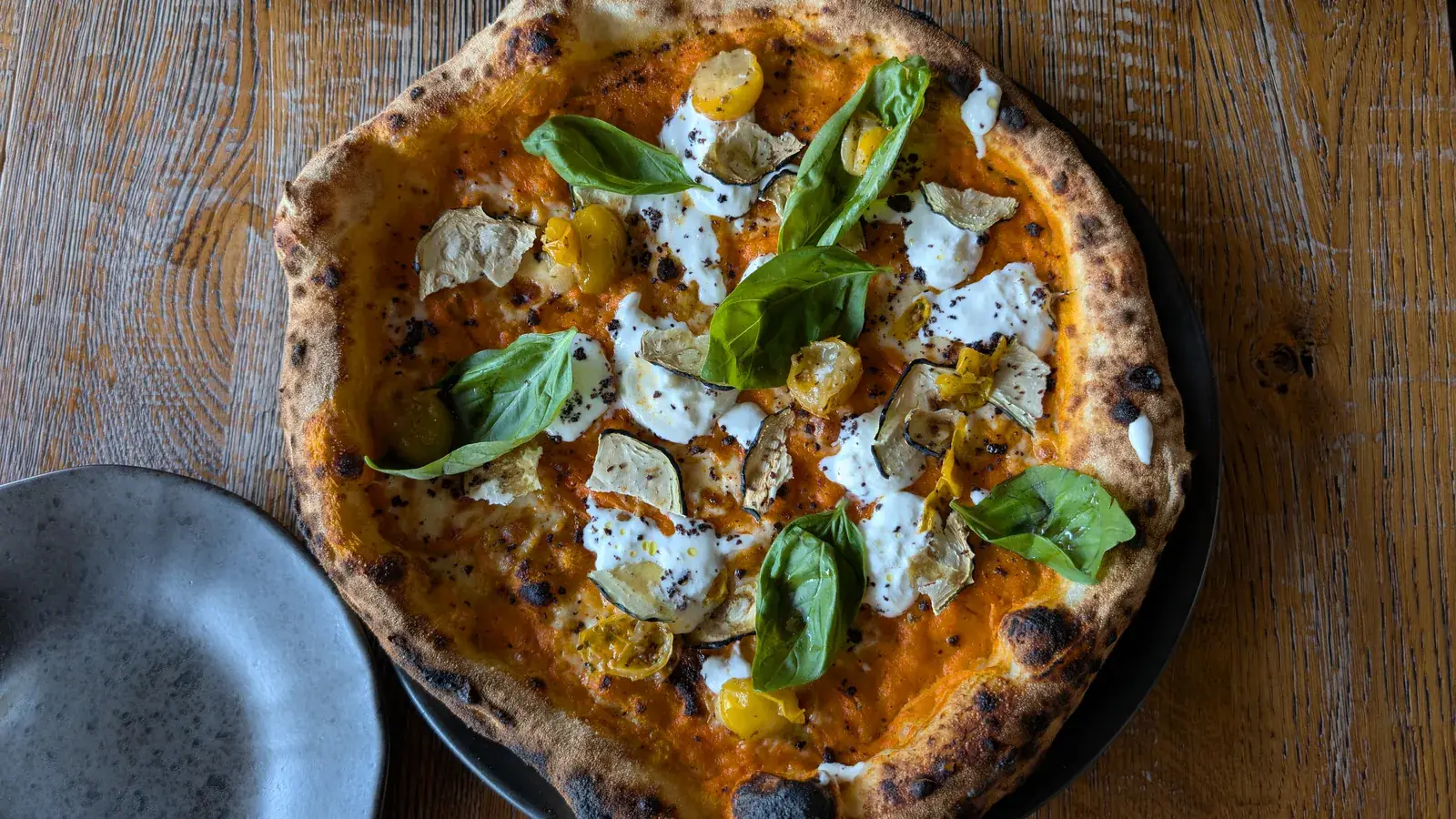
The six photos a restaurant video needs (and the ones that do not work)
A phone and a window are enough. The six photos every batch should have, how to take them in ten minutes, and the photos we will send back.
On this page5 sections
Every TownReels video is built from your photos. We animate them, write the words, add the music and the end card, but the food, the room and the people are yours, as served. So the quality of the batch is decided before we start, by the photos you send.
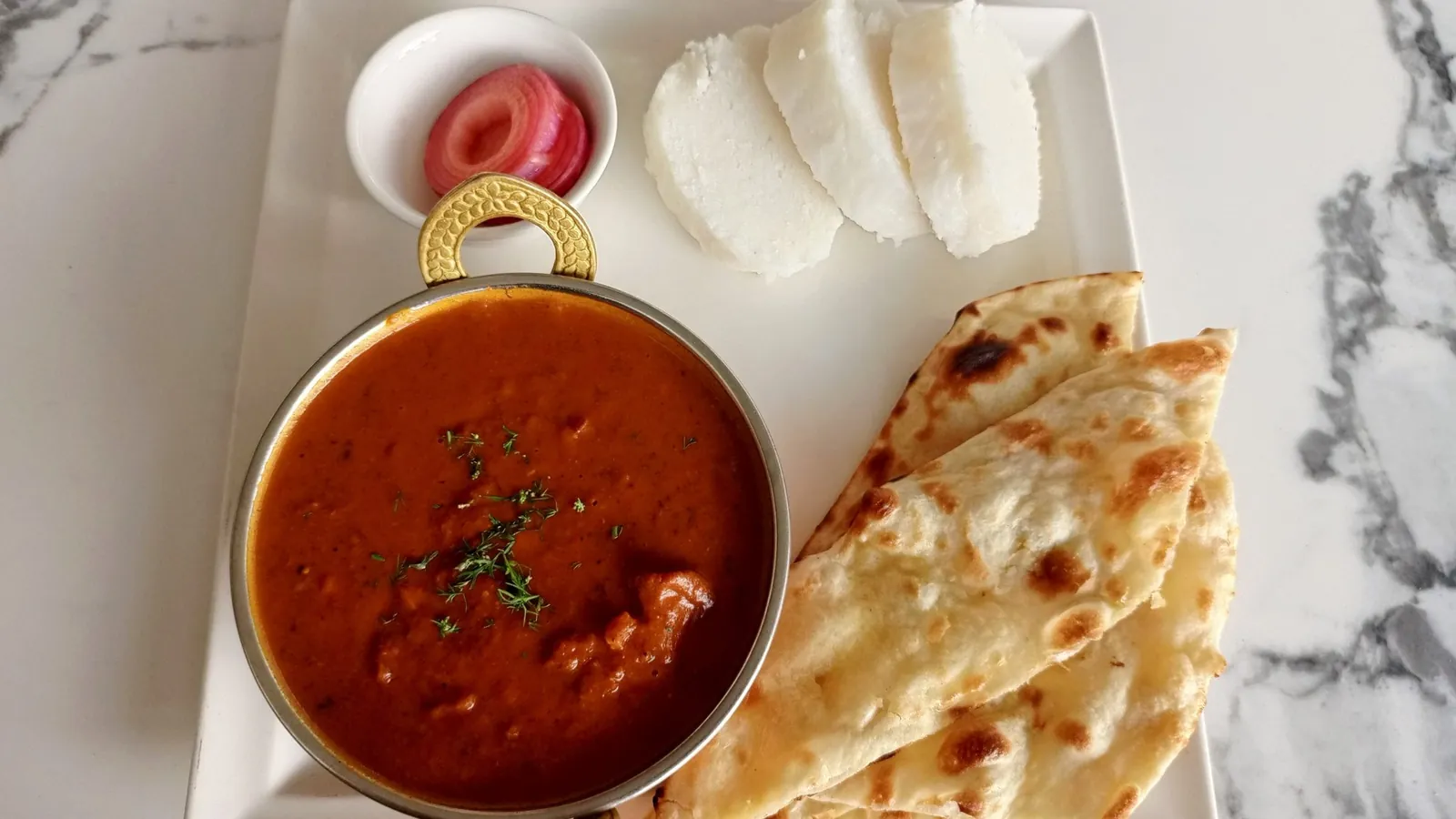
The good news: a phone and a window are enough. The cover of this post is a phone photo of a curry and a basket of naan, taken from above on a marble counter. It would make a fine opening scene.
The six#
- The dish that pays the rent. Close enough to fill the frame. Steam, sauce, the crack in the crust. One plate, nothing else.
- The table. Three or four plates together, the way a group actually orders. This is the scene that says "come with people".
- The room, or the counter. Where people will sit, in the light at the time you want them there. Evening places: shoot in the evening.
- Hands at work. Tossing, plating, pouring, pulling a shot. This is the photo a stock library cannot fake, and the one people trust.
- The front. The door and the sign, so they recognise you from the car.
- The drink or the dessert. The second purchase, and the colour the video can end on.
Six photos cover a batch of four 15-second videos. For 30-second videos, or to give us more to choose from, eight is better.
How to take them#
- Window light, flash off. Next to a window, or outside under shade. Overhead kitchen light makes everything yellow and flat.
- Hold the phone upright. Our videos are vertical, 1080 by 1920. A sideways photo has to be cropped to fit and the edges of the plate go with it. Square is fine too.
- Send the originals. Any phone from the last ten years takes a photo far larger than we need. WhatsApp, Messenger and screenshots shrink it. Use the upload in your account, a Google Photos link, or AirDrop. We check every photo: one under 1080 by 1350 pixels gets a note from us, because a soft photo looks much softer at full screen than on your phone.
- One subject per photo. The dish, or the room, not both at once.
- No filters. We adjust the photos so a batch looks like one place. A filter fights that.
- Wipe the rim of the plate. It is the first thing a viewer sees and the last thing a cook does.
Photos we will ask you to replace#
- Screenshots of your own Instagram. Compressed twice, and the interface is often in the frame.
- Customer photos from Yelp or Google. They belong to the person who took them, not to the restaurant, and we will not use them.
- Menu pages and price boards. Unreadable in motion. Prices and hours go into the video as text, taken from your profile, where they stay sharp and can be fixed in a minute when they change.
- A dish photographed somewhere else, at home, at a cousin's place, at a food festival last year. Everything in the video is what a customer gets when they walk in.
- Stock photos. Never, even when the stock dish looks like yours. The reasons are in Real food only.
What happens with the photos you did not send#
Our writer plans a video around what the photos show. If your brief names a dish and no photo shows it, the video features something the photos do show instead, and the batch records the gap. You get one email listing the photos we were missing, so the next batch has them. We never generate the missing dish.
A ten-minute routine#
The best time is right after the lunch rush: the kitchen is still warm, the light is still good, the room is tidy. Six photos, once a month, before the batch is due. Owners who do this have a video batch that looks like their place, and nothing to do when the brief comes round except say what the month is about.
Get started
Try it yourself
Replace this copy with a description of what a reader gets by signing up. Keep it descriptive — say what the product does, not what the reader should do.
Written by
TownReels
TownReels — Videos of your food, ready to post.